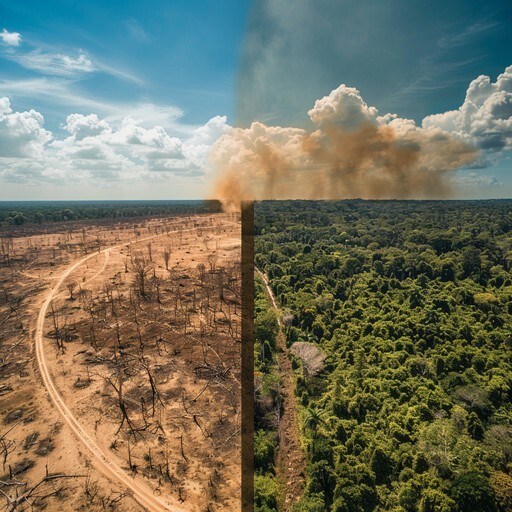
How Deforestation Effects The Environment
.jpg)
Forestation is the process of planting trees in areas where there are few or no forests. It helps create healthier environments by improving air quality, providing oxygen, and giving animals a place to live. Many countries and communities plant trees to restore damaged land and protect nature for future generations. One of the biggest benefits of forestation is that it helps fight climate change. Trees absorb carbon dioxide from the air and release oxygen, making the atmosphere cleaner. Forests also help prevent soil erosion, reduce flooding, and improve water quality by holding rainwater in the ground. Forestation also supports wildlife by creating habitats for birds, insects, and other animals. In addition, forests provide people with resources such as wood, fruits, and medicines. They also offer beautiful places for hiking, camping, and enjoying nature, which can improve people's physical and mental well-being. In conclusion, forestation is an important way to protect the environment and improve life on Earth. Planting trees helps clean the air, supports wildlife, and reduces the effects of climate change. By taking care of forests and planting more trees, we can create a healthier and greener future for everyone.
- Produce oxygen and absorb carbon dioxide, helping reduce climate change.
- Destroys homes for animals and lowers biodiversity
- Removes protection and leads to rapid erosion
- Disrupts the natural flow of the local water cycle
Climate change can also affect the food we eat. When temperatures get too hot or there is not enough rain, farmers may have trouble growing crops. This can make some foods harder to grow and more expensive to buy. Droughts and extreme weather can also damage farms and make it harder for people to get the food they need. Another way climate change affects us is through changes in water. Warmer temperatures can cause snow and ice to melt faster, while some areas may have longer droughts. This can make it harder for people, animals, and plants to get enough clean water. Protecting water and using it carefully can help us prepare for these changes.
Forestation:Benefits For Nature And Us
Forestation has many positive effects on the environment. Trees absorb carbon dioxide from the air and release oxygen, making the air cleaner for people and animals. They also help keep the climate cooler by reducing greenhouse gases. In addition, tree roots hold the soil together, which helps prevent erosion and flooding. Forests are important homes for many kinds of wildlife. Birds, insects, mammals, and other animals depend on forests for food, shelter, and protection. Planting more trees helps restore habitats that have been damaged and supports biodiversity, which keeps ecosystems healthy and balanced. Forestation also benefits people in many ways. Forests provide wood, food, medici ne, and clean water. They also create places where people can hike, camp, and enjoy nature. By planting and protecting trees, we help create a healthier environment and a better future for everyone.
- Trees clean the air by absorbing carbon dioxide and releasing oxygen.
- Forests provide homes for animals, birds, and insects.
- Tree roots help prevent soil erosion.
- Forests reduce the risk of flooding by absorbing rainwater.
- Trees help fight climate change by storing carbon.
- Forests keep rivers, lakes, and streams cleaner.
- People get wood, food, and medicine from forests.
- Forests provide places for hiking, camping, and enjoying nature.
- Planting trees improves biodiversity by supporting many species.
- Forestation helps create a healthier environment for future generations.
Forestation also improves the quality of life for communities around the world. Trees provide shade, making cities and neighborhoods cooler during hot weather. They also help reduce noise pollution and make parks and public spaces more beautiful. Healthy forests can even create jobs in farming, conservation, and tourism. Everyone can help support forestation by planting trees and protecting existing forests. Schools, families, and communities often take part in tree-planting events to improve the environment. Even planting one tree can make a difference over time. By caring for forests today, we help protect nature and ensure a cleaner, healthier planet for future generations.
How Can We Stop Climate Change
.jpg)
One way we can help stop climate change is by using clean and renewable energy. Solar, wind, and hydropower can produce electricity without releasing as much greenhouse gas pollution as fossil fuels. We can also save energy by turning off lights, unplugging electronics, and using energy-efficient appliances. Using less energy can help reduce pollution and protect our planet. Another way we can fight climate change is by protecting nature and changing some of our daily habits. Planting and protecting trees helps because trees absorb carbon dioxide from the air. We can also reduce food waste, recycle, reuse items, and walk or bike instead of driving when possible. If people, communities, businesses, and governments work together, we can reduce pollution and help create a healthier planet for the future.
| # | How We Can Help Stop Climate Change |
|---|---|
| 1 | Use renewable energy like solar and wind power. |
| 2 | Plant and protect trees. |
| 3 | Use less electricity and save energy. |
| 4 | Walk, bike, carpool, or use public transportation. |
| 5 | Reduce food waste and recycle. |
Climate change can affect our planet in many different ways. As the Earth gets warmer, glaciers and ice sheets can melt, causing sea levels to rise and putting coastal communities at risk. Climate change can also make some extreme weather events, such as heat waves, heavy rainfall, and droughts, more dangerous. Animals and plants may also struggle because their habitats and environments are changing faster than they can adapt.